
— Increasing Renewals. From 11% to 24% online.
- Redesigning the online renewals journey for British Gas Business.
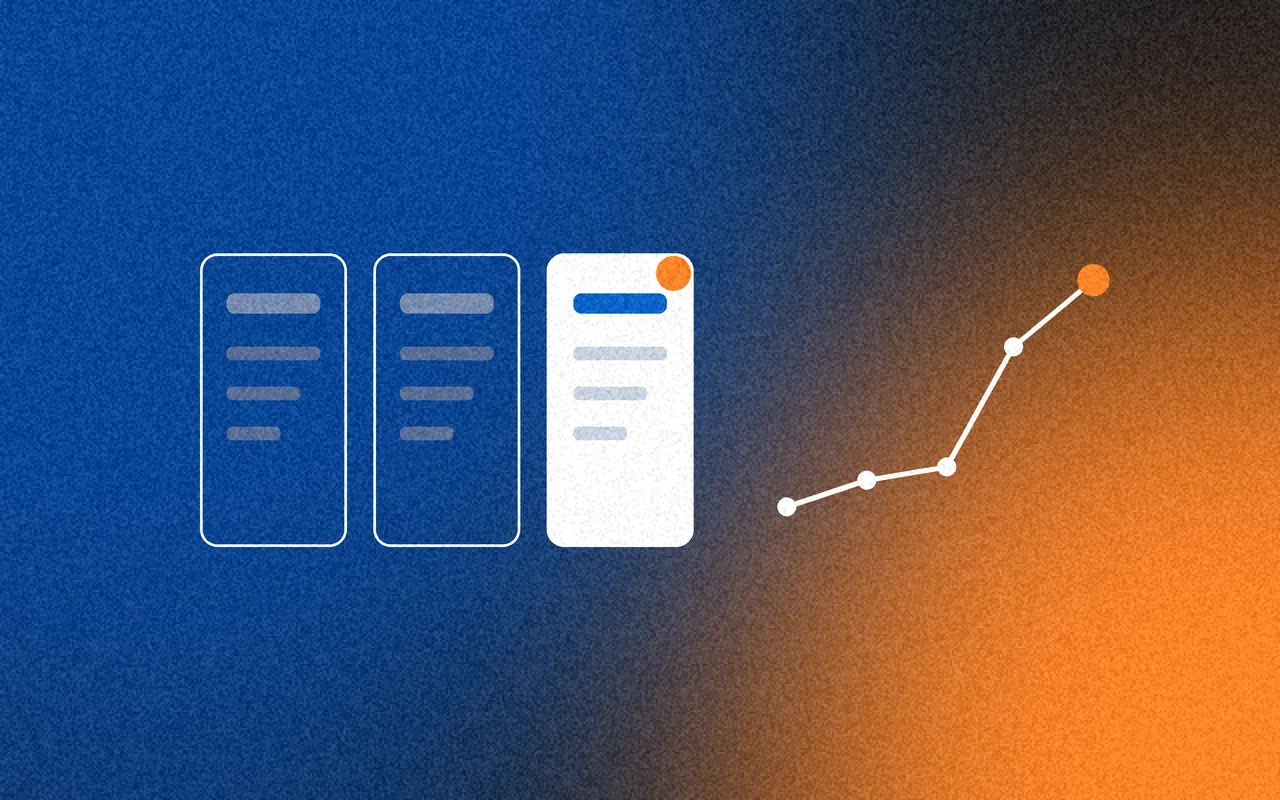
- Conversion rate uplift from 11% to 24%.
- Hundreds of thousands in additional gross margin.
- Client

The short version
A 30-second read
The problem
Only around 11% of business customers renewed online. Most renewed by phone or not at all, and 80% of those who started renewing online gave up.

What I did
I found out why with data, an exit survey and usability tests, then redesigned the journey: mobile-friendly, clearer prices, and longer contracts made the easy choice.

What changed
Online renewals rose from 11% to 24%, adding hundreds of thousands of pounds a year in gross margin, with more customers choosing 2 and 3-year deals.
- 11→24%online renewal rate
- £100k+extra gross margin a year
- 2–3 yrcontracts, chosen more often
01/ Summary
- — Services
- Service blueprinting
- UX/UI design
- Data analysis
- User research
- Mobile design improvements
- — Deliverables
- Multiple redesigned renewal journeys
- Stakeholder research playback
- New mobile-friendly responsive layouts
- Improved contract length visibility and flows
- — Outcomes
- Online renewals up from 11% to 24%
- Hundreds of thousands of pounds a year in extra gross margin
- Longer contracts: a shift from 1-year deals towards 2 and 3 years
- Mobile-friendly, customer-first design throughout
02/ Understanding the problem
- 11%renewed online, before
- 80%of online renewals abandoned
- 172k+business accounts due to renew in 2024
- 69%retention goal for the year
A journey that worked, but didn't convert
Despite a functioning renewals journey, conversion rates online were low. Historically around 10 to 11% of customers renewed online, meaning the majority renewed by phone, or not at all.
What we set out to do
- Reduce the abandon rate of online renewals
- Increase renewals overall
- Reduce calls about problems renewing online
- Help the business reach its retention goal
Most customers could renew online. Only around one in nine did.
03/ Finding out why
Data
Datadog, Adobe Analytics and session recordings showed where people dropped out, and how many renewed by phone instead.
An exit survey
Shown when someone was about to leave, or had stopped: what stopped you renewing today, and what would make you more likely to renew online?
Usability tests
Customers renewing on a prototype, with a card sort to check the language made sense to them.
Colleagues
A survey of the colleagues who take renewal calls, who hear every day where the online journey lets people down.
Service blueprint
The whole renewal, online and offline, mapped from the first reminder to a signed contract.
A clear first focus
Organisations with one account and one contract: 78% of them, and the simplest journey to get right first.
04/ A complete journey redesign
The solution focused on increasing clarity, improving the experience across devices, and adding subtle nudges towards longer-term contracts.
Poor on mobile
The journey wasn't built for phones, where many customers started their renewal.
Unclear contract lengths
The options were hard to compare, so few people looked past the shortest deal.
Confusing prices
How discounts combined wasn't obvious, and online prices didn't always match what agents offered.
No reason to act now
Little to persuade or reassure, and nothing to say why renewing today mattered.
A missed nudge
Nothing guided customers towards longer deals, which suit them and the business.
Dead ends
Customers could ask for a call back, but couldn't see when it would come.
Mobile to desktop
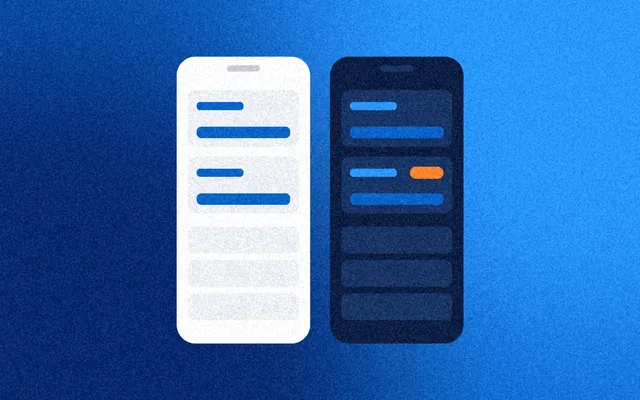
Fully responsive, so renewing works anywhere, at any time.
Prices you can compare
Before and after discount prices side by side, the 10% online renewal discount clearly labelled, and the difference to the current plan.
Three years, pre-selected
The longer-term option chosen by default, with every length still one tap away.
Reminders that count down
A renewal reminder on the account dashboard from 75 days out, counting down to the date, and shown again 30 days later.
The right next step
A clear call to action on every screen, and customers who bought through a broker sent straight to their broker.
Answers to the worries
What happens if I miss the deadline? Can I negotiate? Answered on the page, with a call or live chat one tap away.
Reminders at the right moments
Lean contracts got a renewal banner in the account 75 days before the end, then emails at 70, 30 and 15 days, until renewal closed 5 days before.
Bespoke contracts too
Larger businesses on bespoke contracts renew with an account manager, not online. For around 5,500 of them ending in 2024 with an online account, we planned banners at 75 and 30 days, measured by visits, calls and customers kept.
05/ Before and after
Devices
Renew anytime, anywhere.
FromA journey built for desktopToResponsive, from mobile to desktopPrices
No maths needed to see the deal.
FromDiscounts customers had to work outToClear prices, explained in contextContract length
More customers chose 2 and 3-year deals.
FromOptions that were hard to compareToThree years pre-selected, every option visibleAction
Better call-to-action hierarchy and visibility.
FromWeak, easy-to-miss buttonsToOne clear next step on every screen
06/ Measuring without split tests
We avoided split testing because traffic was too low for a fair result. Instead we released iteratively, measured the uplift over time, and judged success against goals set with the HEART framework.
Happiness
Users find renewing online easy. Measured by exit survey satisfaction, renewals NPS and feedback.
Engagement
Customers look at their options before choosing. Measured by how many compare contract lengths.
Adoption
More customers renew online. Measured by the online renewal rate.
Retention
Fewer people give up part way. Measured by the abandon rate, from 80% at the start.
Task success
Customers finish renewing without needing help. Measured by completion rate and calls to the contact centre.
07/ Outcomes
The impact of the redesign
Online renewals up
From 11% to 24%.
Hundreds of thousands
Of pounds a year in extra gross margin.
Longer contracts
A shift from 1-year deals towards 2 and 3 years.
Mobile-friendly
Customer-first design throughout.
Available from January 2027
Looking for a design leader?
I take on contract roles as a design consultant, head of design or fractional design lead, across product, service and design systems. Remote anywhere, or hybrid across the UK.